On this work order
- All four corners measured, numbers shared out loud
- Rust and salt damage assessed honestly
- Hardware cleaned or replaced, never ignored
- Written price before the wheels come off
- Road test before the handshake
The salt problem
How West Michigan Corrodes Brakes
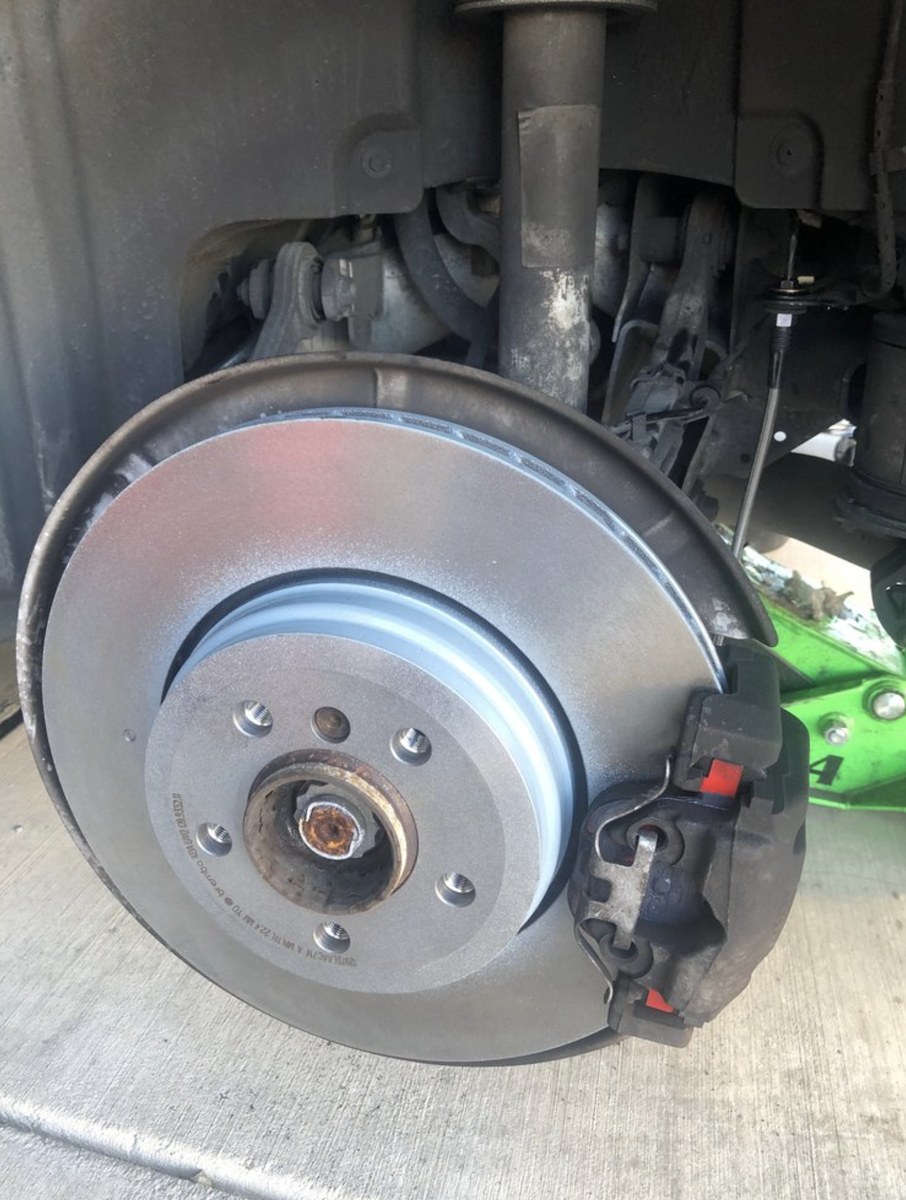
Most of the country wears brakes out. We rust them out first. A winter of road salt followed by a humid lake-effect summer corrodes rotor edges, seizes caliper slide pins, and freezes adjusters solid, and it does all of that regardless of how few miles the car drove. Fleet delivery vans live and die by exactly this cycle, and the fleet lesson transfers straight to your driveway: in the salt belt, the inspection matters more than the odometer.
So the checkup here goes past pad thickness. Slides get pulled and worked by hand. Rotor faces get checked for the rust lip that chews new pads. The parking brake mechanism, the first thing Michigan seizes, gets exercised instead of assumed. And the brake lines get a proper look, because corroded steel lines are this state's signature failure and finding one early is the cheapest thing that will happen to your car all year.
The fleet standard
Brake Jobs to a Fleet Standard
Fleet mechanics live with their comebacks; a van that returns with the same problem parks a route and everyone knows whose fault it was. That accountability builds habits: measure and record everything, replace hardware while the corner is open, torque with a wrench, and bed the pads properly on a road test instead of handing the customer that homework. Your car gets the van treatment, and the old parts wait in a line for your inspection when it is done.
Parts get picked for the climate too. Coated rotors that resist the rust lip, pads that tolerate our wet-then-frozen rhythm, and stainless hardware where the design allows it. The cheap kit saves money once; the right kit saves it every winter after.
Timing
Brake Noises Worth Booking
The first squeal after a wet week is often just surface rust clearing itself, and an honest mechanic says so. A squeal that survives a few days of driving is the wear indicator talking, and it earns a look this week. Grinding is metal spending your money, and a soft or sinking pedal outranks everything on this page: park the car and call, that one is not a scheduling question. If you are unsure which noise you have, describe it on the phone and you will get a straight read, including the it-can-wait verdict when that is the truth.
One more Michigan-specific plea: let someone look at the whole hydraulic system every spring. Steel brake lines rot from the outside here, quietly, and the failure mode is a pedal that goes to the floor on the day you need it most. Five minutes with a flashlight during any other service catches it years early, which is why inspections here always include it, invited or not.
Hearing something at the wheels?
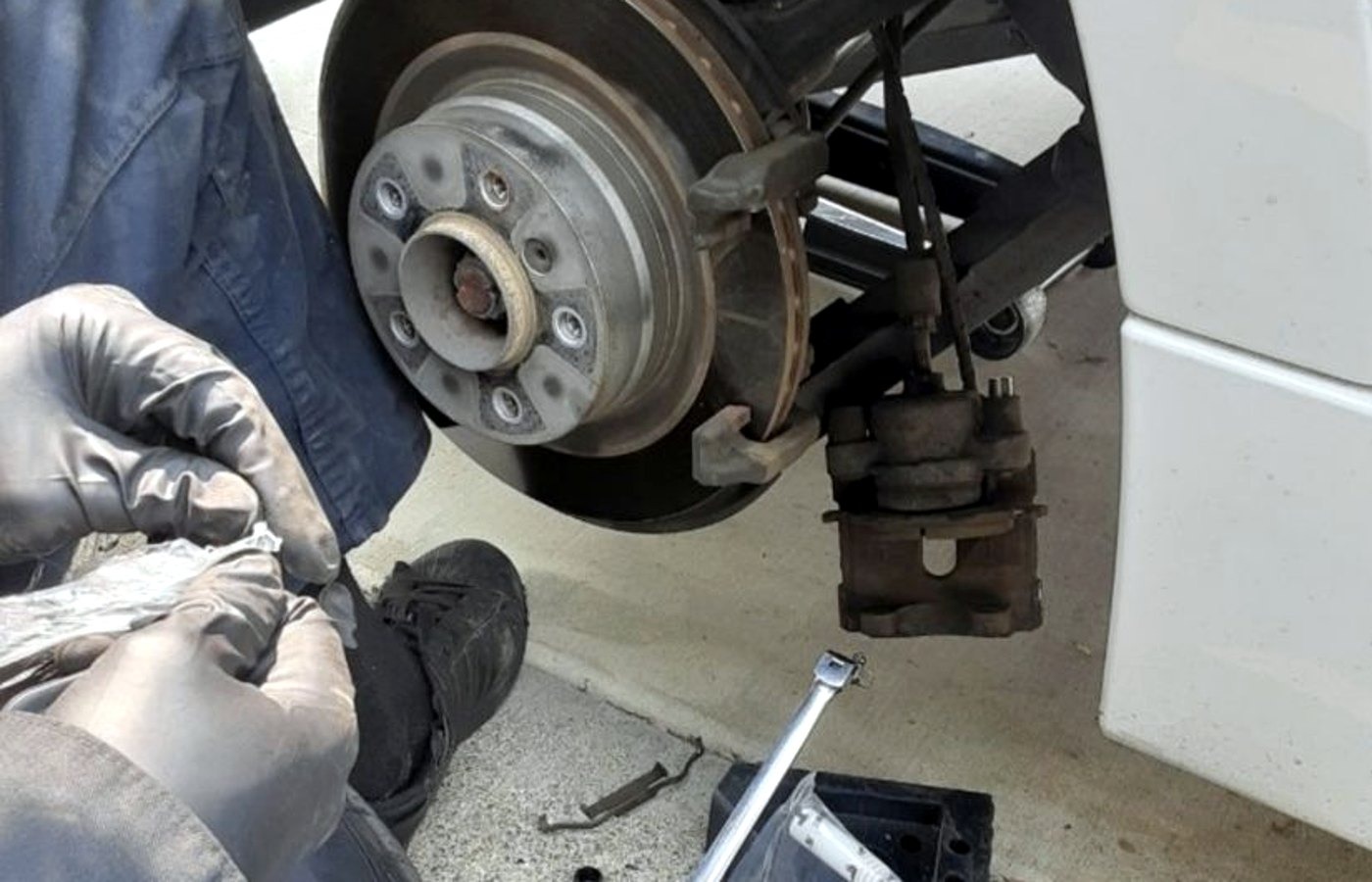
Describe the noise and the last time anyone looked at the brakes. You get a real answer, a written number, and a visit that comes to you.
616-312-2981