The no-start protocol
- Battery tested under real load, not just voltage
- Cables, grounds, and salt corrosion checked
- Starter and charging circuits measured
- Fuel, spark, and security system verified as needed
- Most cars running again the same visit
Fleet mornings
No-Starts Are Routine Work Here
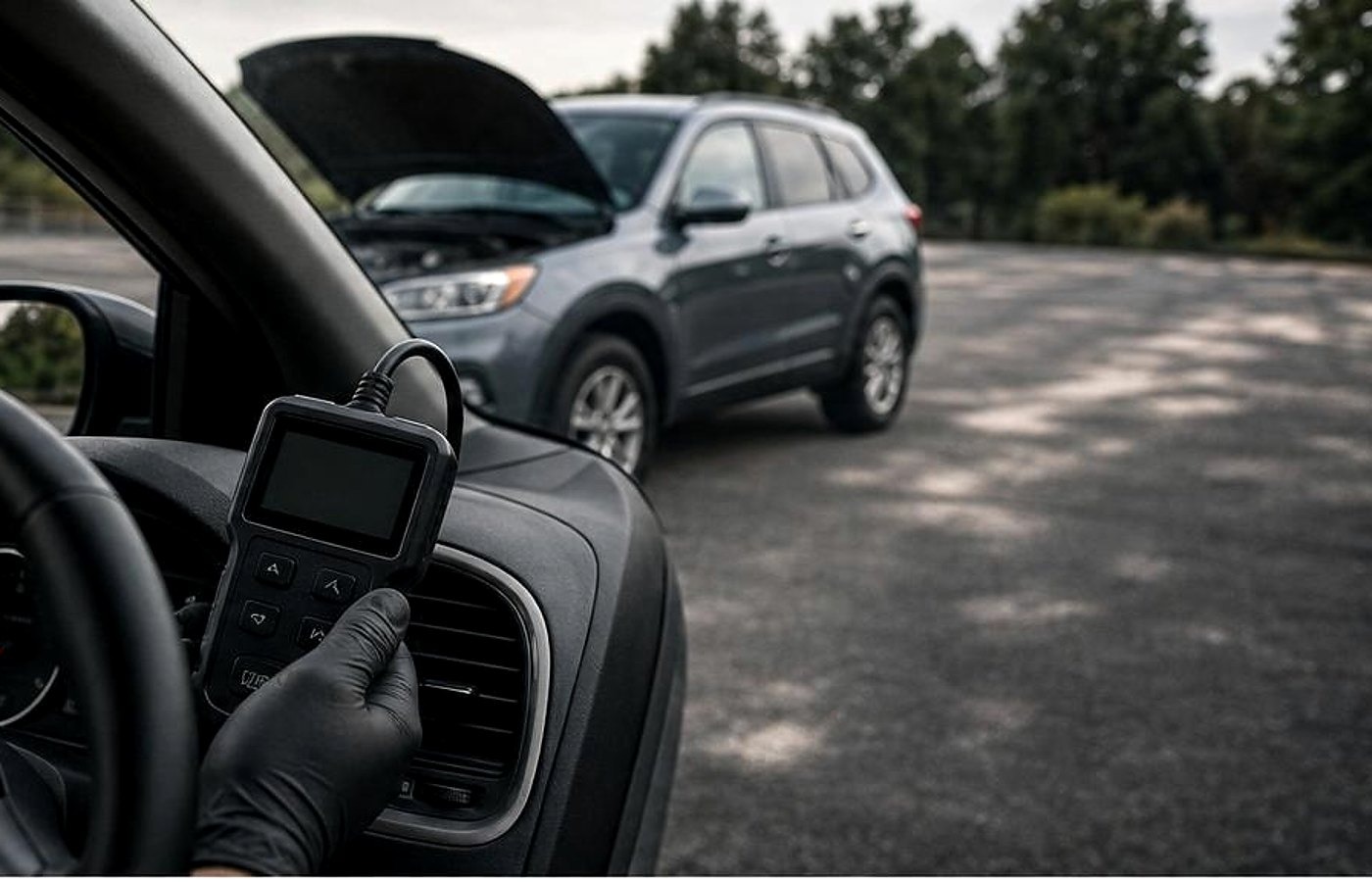
A fleet yard on a January morning is a no-start clinic. Vans that ran fine at six degrees yesterday go silent at four below today, and the routes cannot wait for opinions. That job taught me to diagnose dead vehicles fast, in the cold, with the engine exactly where it died, which happens to be the entire skill your driveway emergency requires. No tow, no waiting room, no guessing: the same triage that got the routes rolling gets your morning back.
It also taught me that winter no-starts are mostly electrical arithmetic. Cold cuts a battery's strength at the same moment thick oil doubles the starter's workload, and whichever component was weakest loses the argument. The test gear settles who failed in minutes, and the truck carries the common cures: batteries, cables, terminals, relays.
Beyond the battery
When It Cranks but Will Not Start
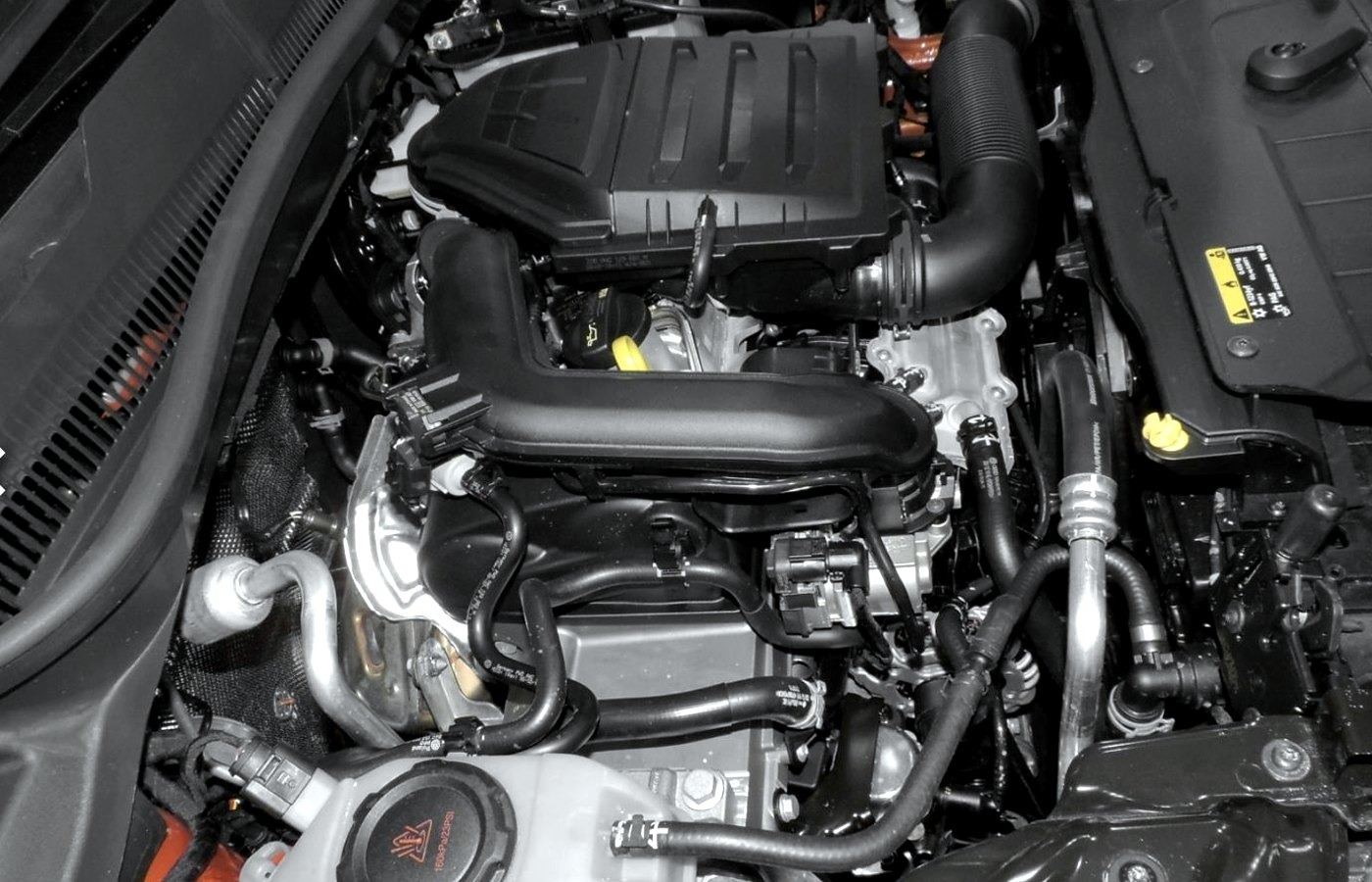
Healthy cranking with no fire moves the question to fuel, spark, or the anti-theft system, and each has its test at the curb. Michigan adds a seasonal suspect the sun belt never meets: slush thrown into the engine bay freezes overnight and blocks sensors and connectors in ways that vanish by noon, so a no-start that cures itself after sunrise is a real clue, not your imagination. Mention it. The disappearing-fault story changes where the meters go first.
Prevention
The Fall Check That Prevents Winter No-Starts
Every fall the fleet got the same treatment, and it is the single habit worth stealing: test the batteries before the first hard freeze and replace the ones that flunk on your schedule instead of theirs. A battery that passes September and fails January existed; a battery that fails September and starts January did not. Add clean terminals and a look at the cables, and you have subtracted the most common Michigan morning disaster from your calendar for one short visit's worth of effort.
Three things not to do while you wait, learned from cleaning up after all three: no marathon cranking, which floods the engine and cooks the starter; no parts-store battery swap in a parking lot rain, because half the time the battery was innocent and the new one needs a registration step anyway; and no borrowed jumper cables on a modern car unless you enjoy shopping for control modules. One thing to do: pop the hood release so the diagnosis starts the moment the truck does.
If the vehicle is a work van or box truck, say so when you call: dead working vehicles carry route pressure this service treats as urgent, and the rig stocks the heavy-duty group sizes and cables that commercial iron usually needs.
Silent car this morning?
Stop cranking and tell me what it did instead of starting. The truck comes loaded for that exact story, usually the same day.
616-312-2981